Recent Blog Posts



What Happens During a Home Inspection in Seattle?
What Happens During a Home Inspection in Seattle?
What Does a Home Inspector Actually Look At?
Read Post
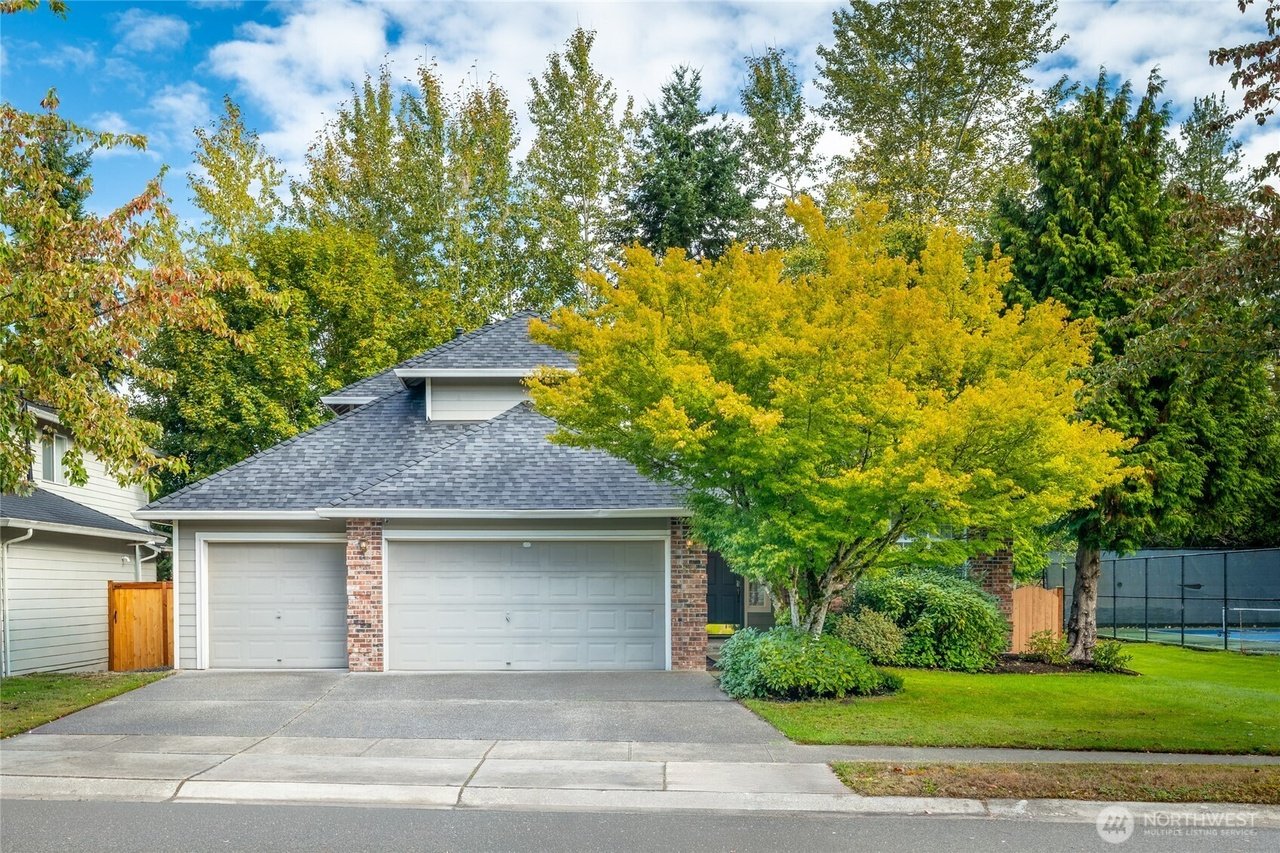
Is 2026 a Good Time to Buy a Home in Seattle?
Is 2026 a Good Time to Buy a Home in Seattle?
For many buyers, 2026 feels like a moment of pause rather than urgency. After years of rapid price growth, fluctuating int...
Read Post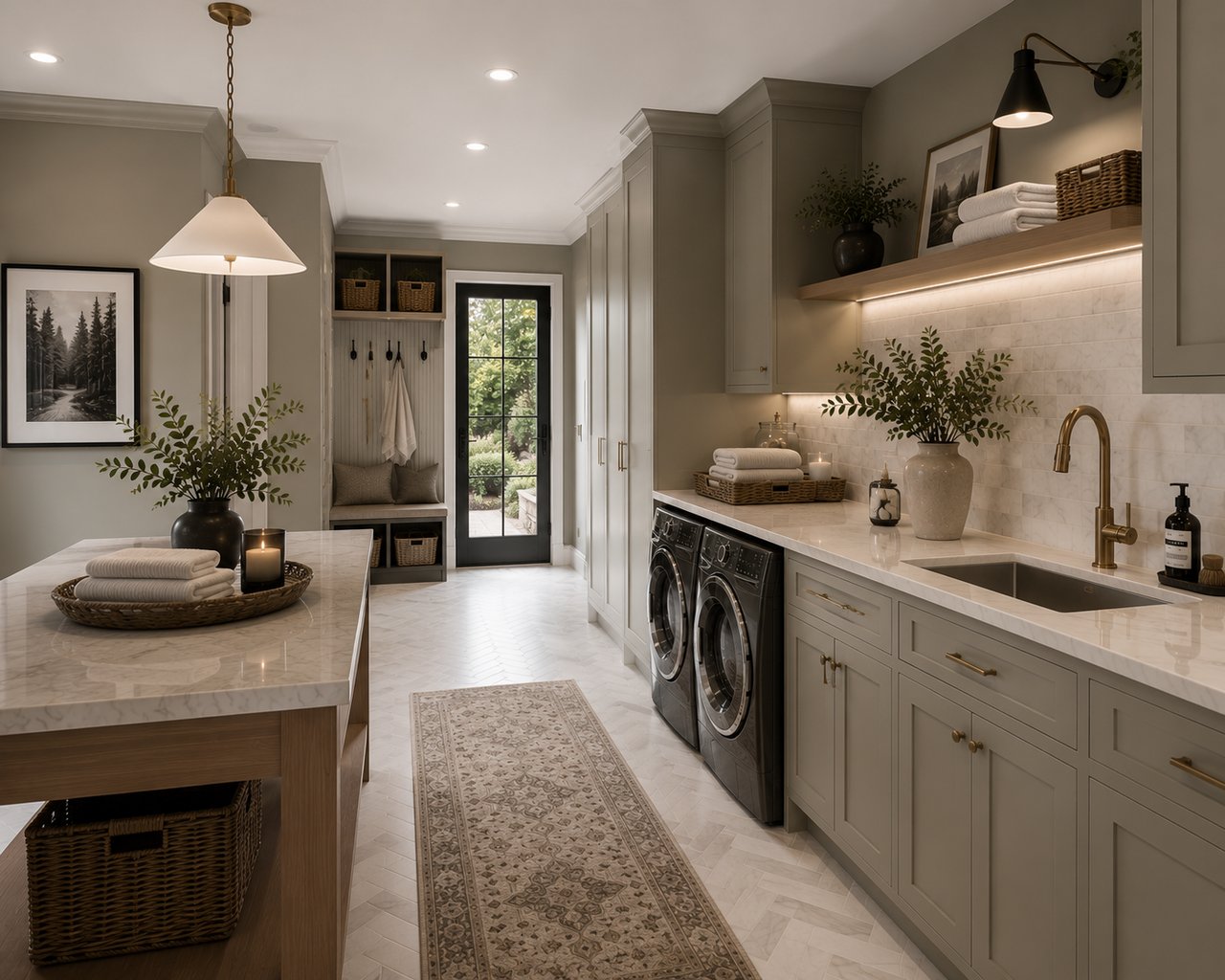
Late Summer Home Maintenance Checklist for Seattle & Eastside Homeowners
Late Summer Home Maintenance Checklist for Seattle & Eastside Homeowners
Prepare Your Home Before Fall Arrives
Read Post
How Interest Rates Actually Affect Your Buying Power
How Interest Rates Actually Affect Your Buying Power
How do interest rates affect home prices?
Read Post


How to Prepare Your Home for Sale Without Over-Renovating
How to Prepare Your Home for Sale Without Over-Renovating
The goal is not perfection. The goal is maximizing buyer appeal and return on investment.
Read Post



The Mezon Group Ranked #28 in Washington by RealTrends Verified
The Mezon Group Ranked #28 in Washington by RealTrends Verified
43 transactions. $54.8M sold. Ranked among Washington's best.
Read Post
The True Cost of Buying a Home in Washington State
The True Cost of Buying a Home in Washington State
Understanding Closing Costs and Buyer Expenses in 2026
Read Post
How Much Cash Do I Really Need to Buy a Home?
How Much Cash Do I Really Need to Buy a Home?
Understanding the Real Costs of Buying in Seattle and the Eastside
Read Post
First-Time Buyer Guide for Seattle Tech Professionals
First-Time Buyer Guide for Seattle Tech Professionals
Navigating Seattle Real Estate in 2026
Read Post



Seattle Home Pricing Explained: Comps vs. Online Estimates
Seattle Home Pricing Explained: Comps vs. Online Estimates
In reality, Seattle home pricing—and pricing across nearby Eastside markets like Bellevue, Redmond, and Kirkland—is far mo...
Read Post
How Much Is My Seattle Home Worth in 2026?
How Much Is My Seattle Home Worth in 2026?
This guide explains how home values are determined in Seattle, what has changed in 2026, and how to interpret your home’s...
Read Post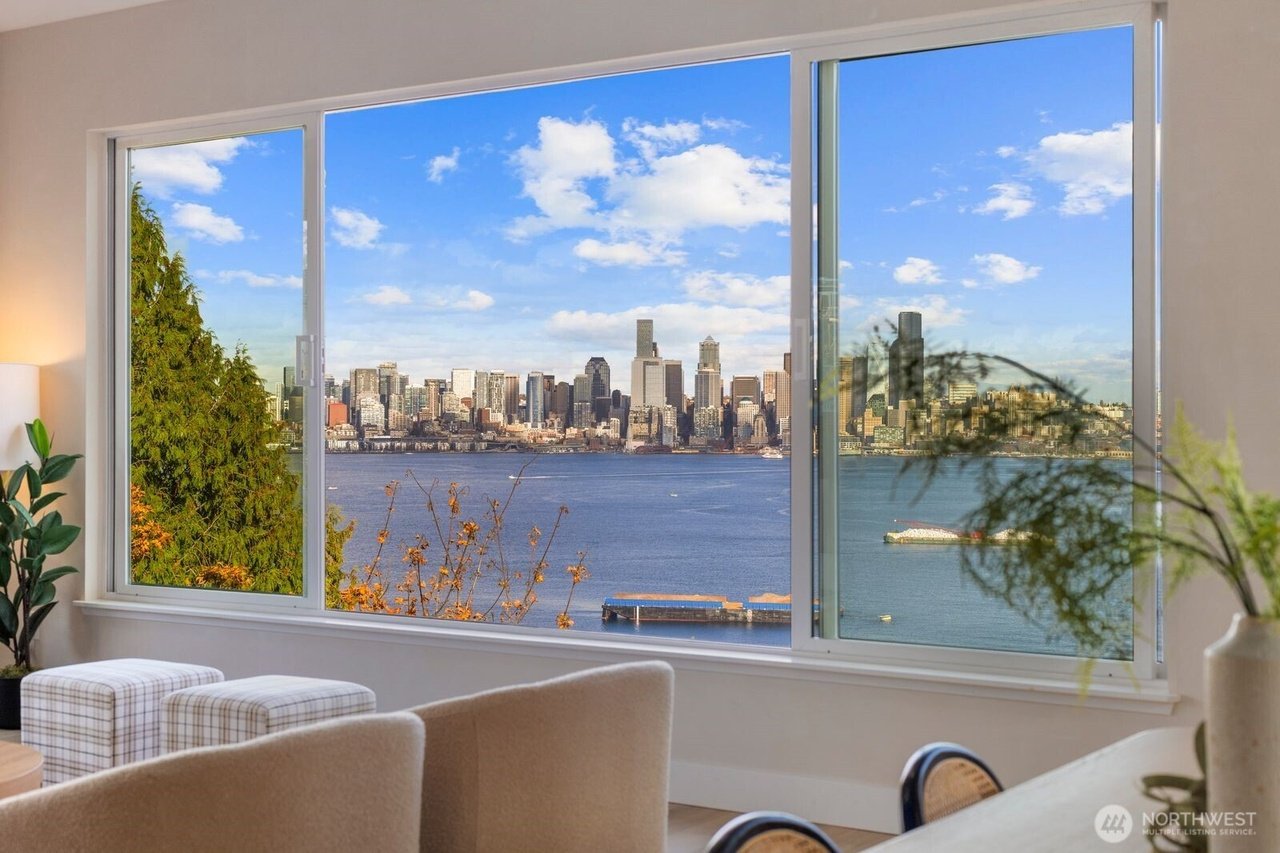
How the Seattle Housing Market Actually Works in 2026
How the Seattle Housing Market Actually Works in 2026
The Seattle housing market in 2026 is no longer defined by simple headlines or one-size-fits-all advice. Instead, it opera...
Read Post
7 Things to Look For When Searching for Homes
7 Things to Look For When Searching for Homes
From the opportunity to obtain a fresh start to the chance to elevate your quality of living.
Read Post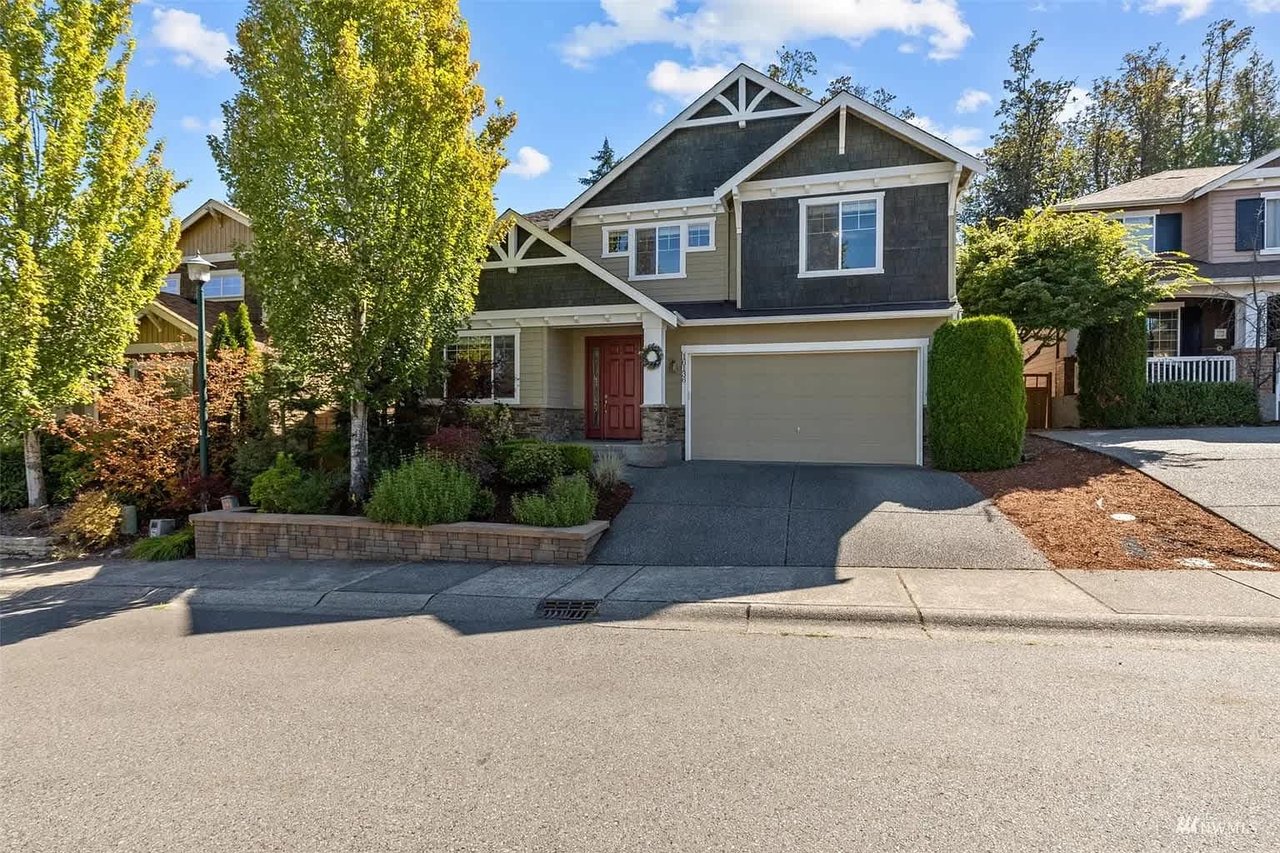
Another Name for a Slowing Real Estate Market: “Opportunity”
Another Name for a Slowing Real Estate Market: “Opportunity”
There’s no doubt about it, purchasing a new residence is an exciting experience.
Read Post
Kevin Lam’s Complete Homebuying Guide for Kirkland
Kevin Lam’s Complete Homebuying Guide for Kirkland
For many people, buying a home can be a stressful process filled with many unknowns.
Read Post
Kevin Lam’s Ultimate Guide to Selling Your Home in Seattle
Kevin Lam’s Ultimate Guide to Selling Your Home in Seattle
You may be wondering how to navigate the volatility of the current housing scene.
Read Post