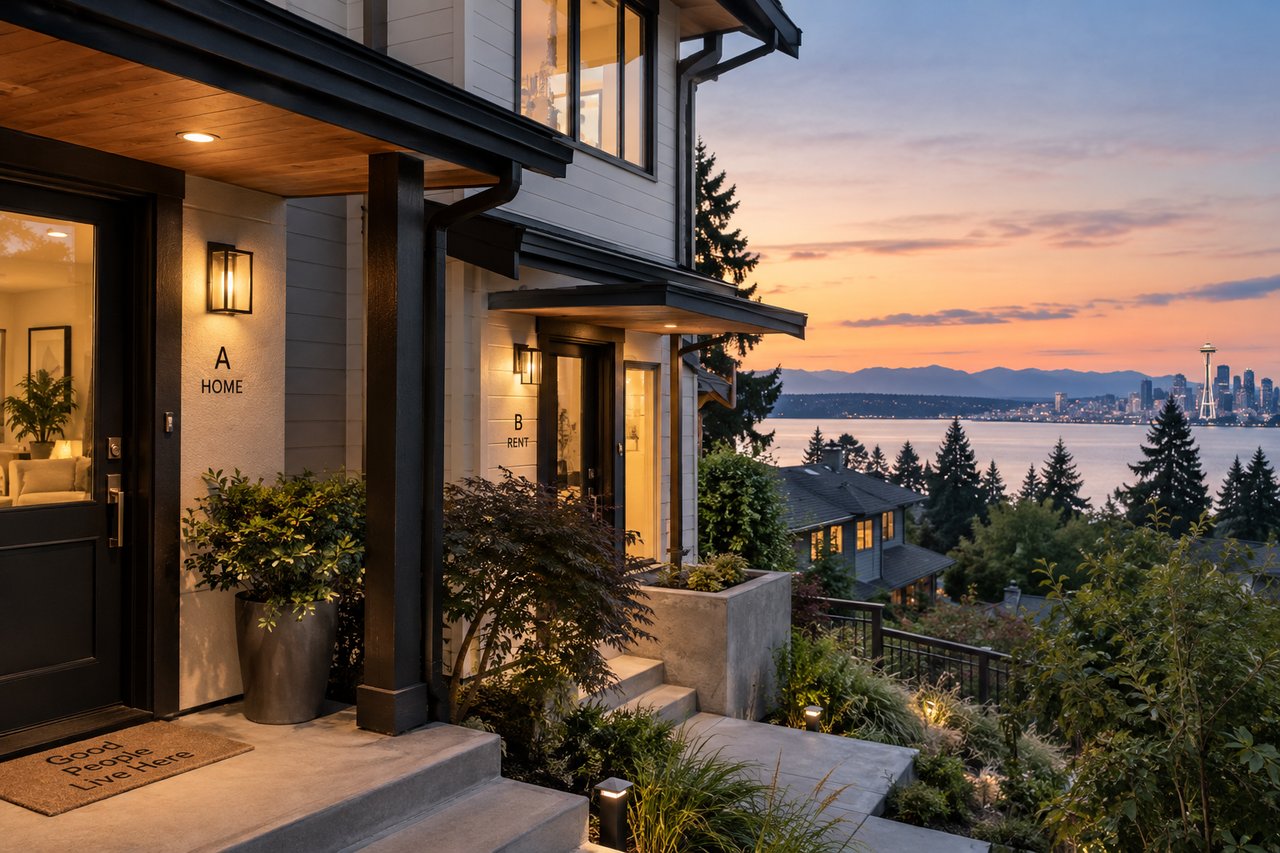
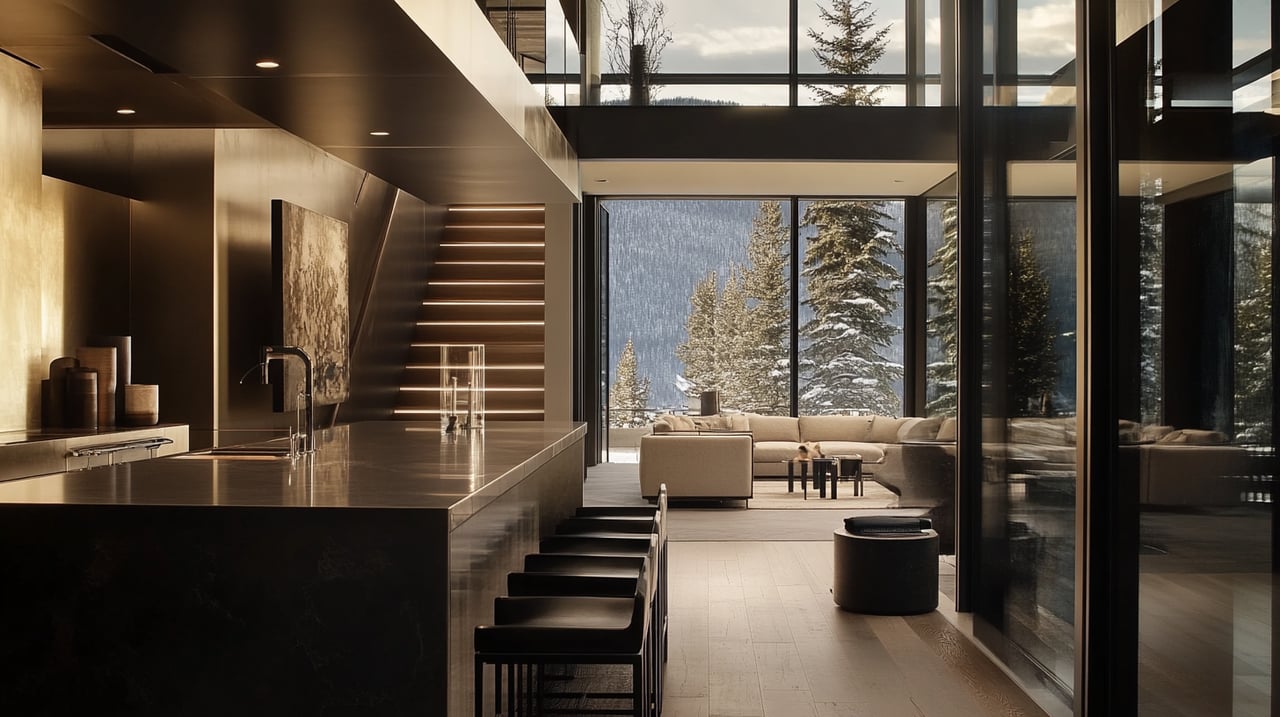
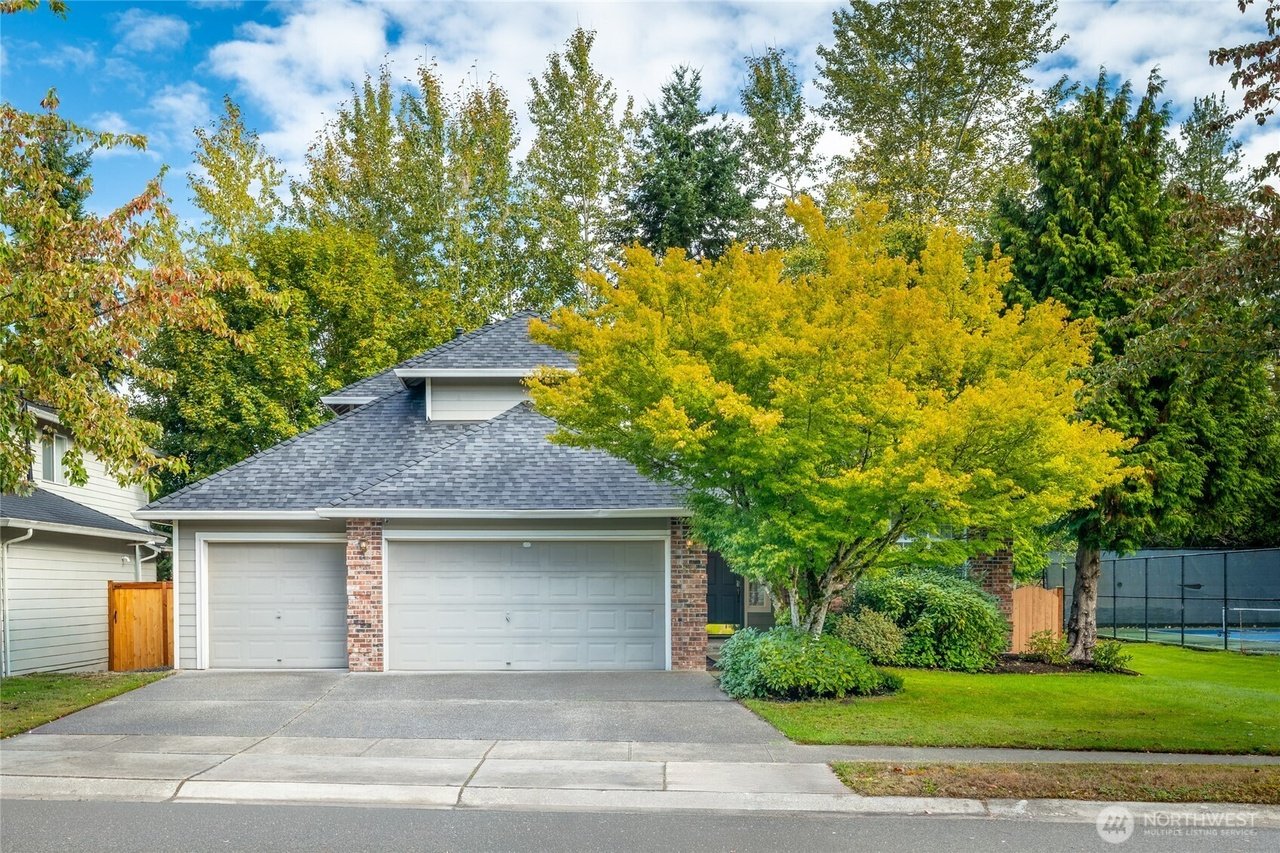
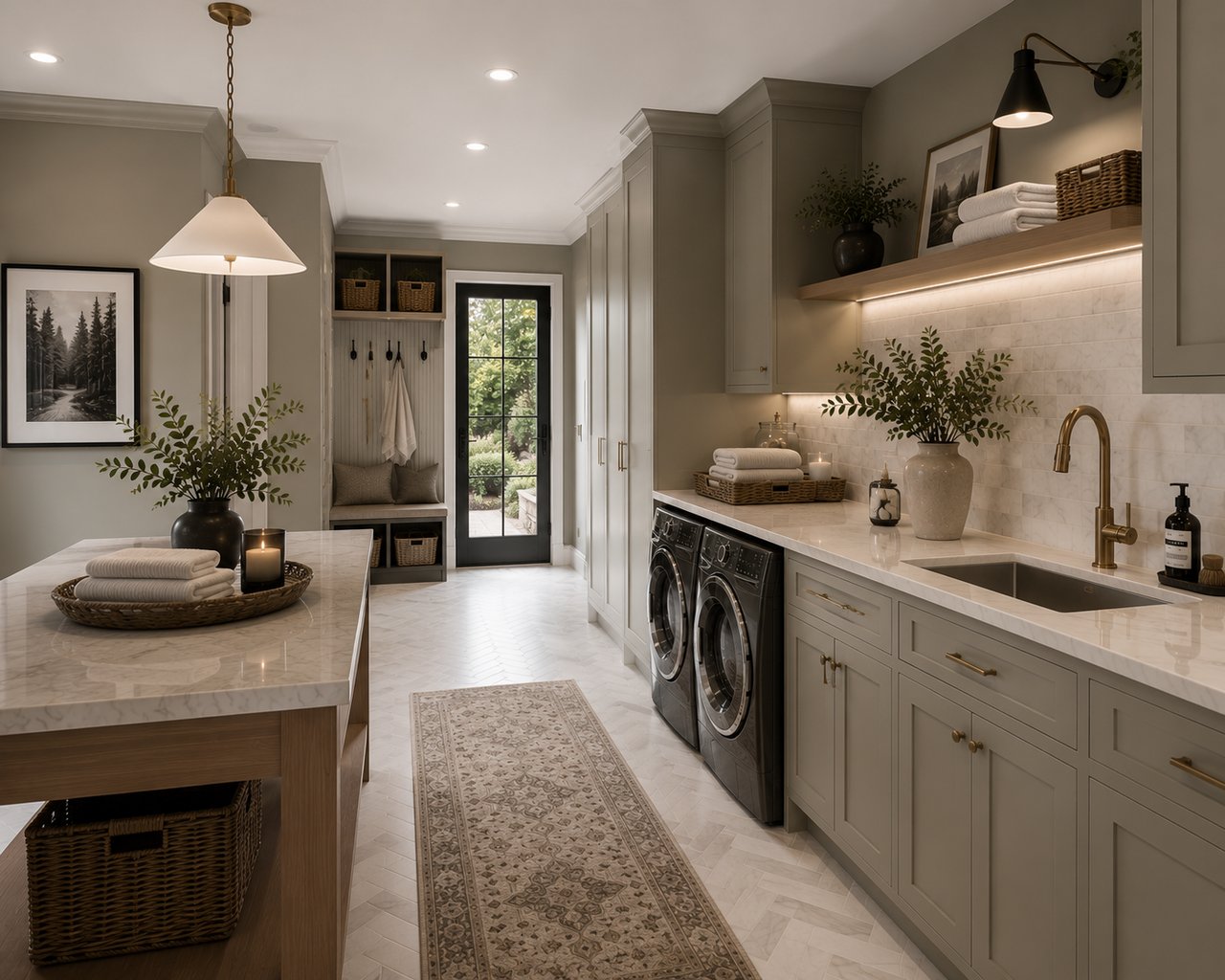
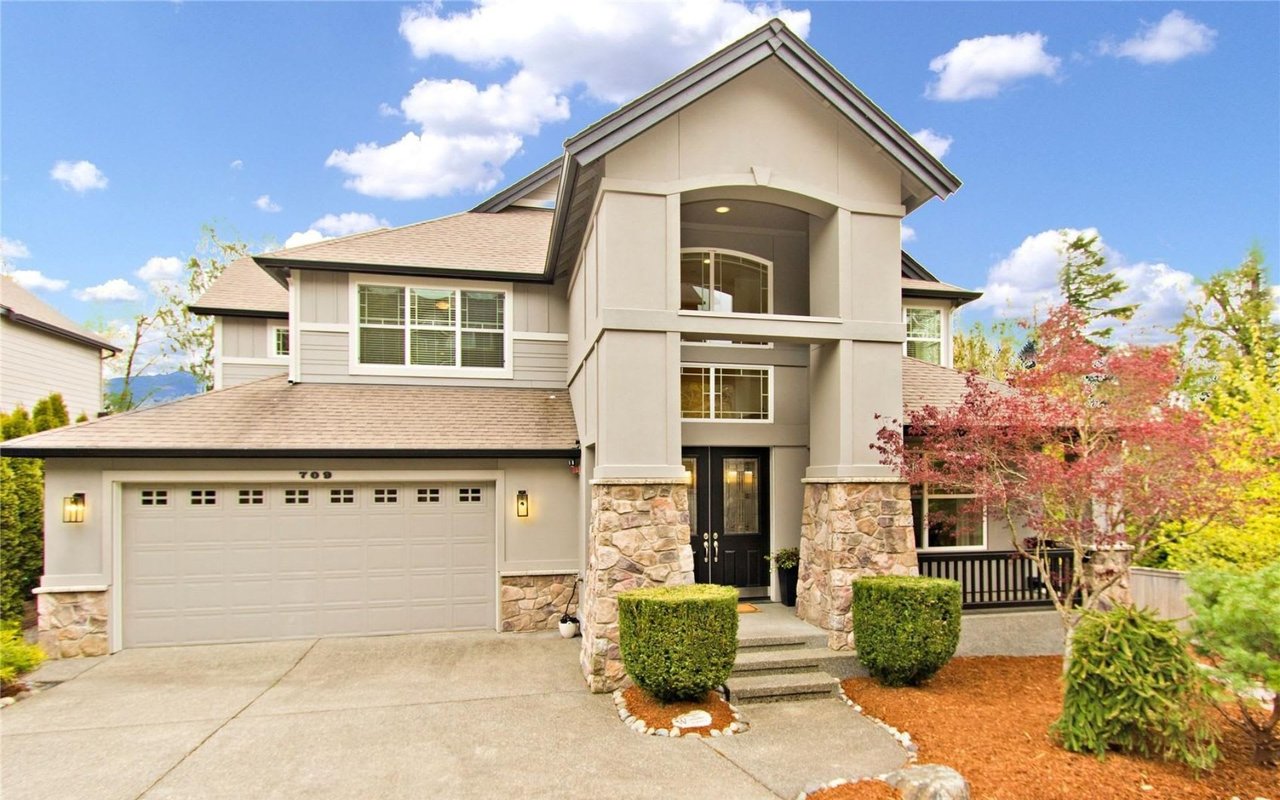
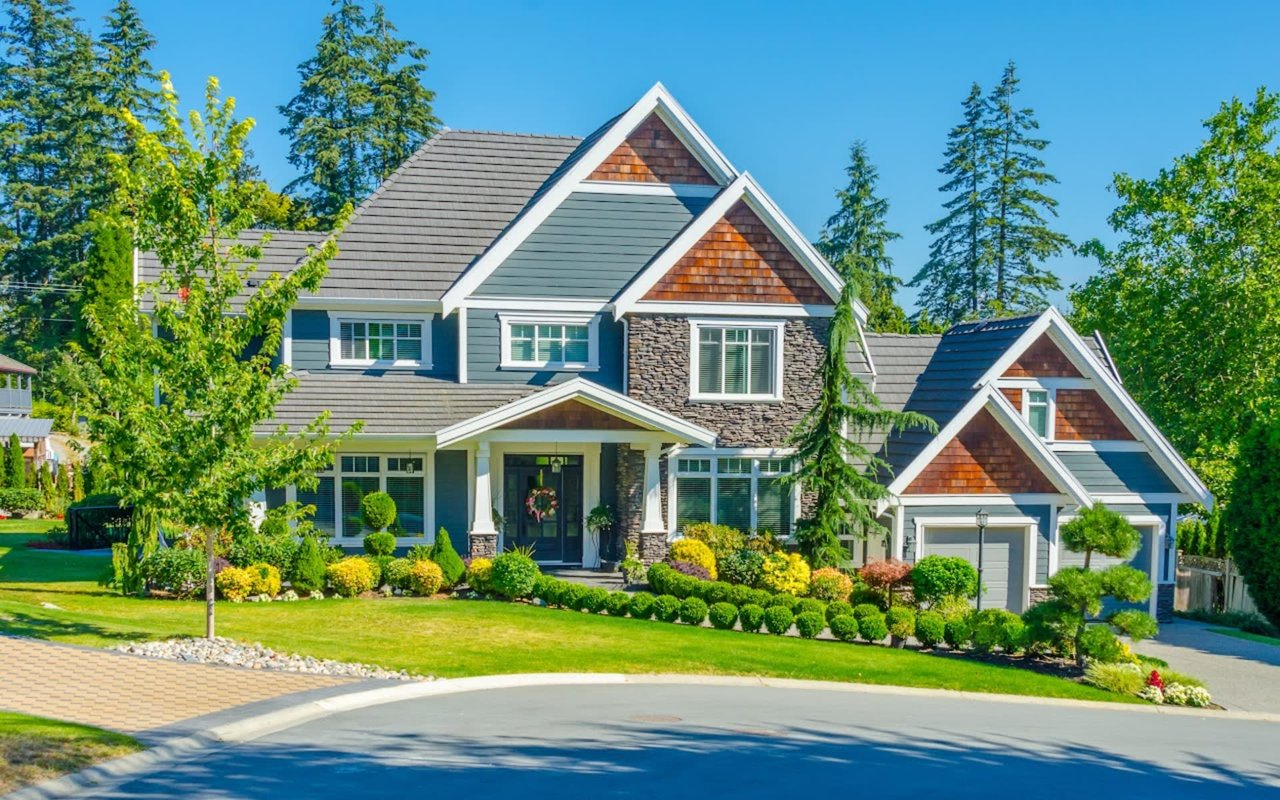
For buyers searching across Seattle and the Eastside, one decision often comes up earlier than expected: Should you buy new construction or a resale home?
At first glance, the differences seem straightforward. New construction offers untouched finishes, modern systems, and fewer immediate maintenance concerns. A resale home may offer more character, an established neighborhood, mature landscaping, or a larger lot.
But the financial equation is more nuanced.
When comparing new construction vs. resale homes in Seattle, buyers need to consider much more than the age of the property. Location, builder quality, purchase incentives, future maintenance, lot value, floor plan, neighborhood development, and eventual resale potential can all affect whether a home is a good long-term purchase.
The answer can also change dramatically depending on where you're looking. A new townhome in Seattle presents a different value proposition than a newly built single-family home in Bothell. In Bellevue or Kirkland, limited land can create a substantial premium for new construction, while buyers in Redmond or Issaquah may encounter a wider mix of newer developments and established neighborhoods.
Neither option is inherently better. The goal is to understand exactly what you're getting for your money and which tradeoffs make the most sense for the way you want to live.
Why New Construction Appeals to So Many Seattle-Area Buyers
There is something undeniably attractive about walking into a home where no one has lived before.
The appliances are new. The roof and major systems should have substantial useful life ahead of them. Finishes tend to reflect current preferences, and buyers generally have fewer immediate renovation projects competing for their time and money.
For many Seattle-area professionals, that convenience has real value. A buyer with a demanding career may prefer spending weekends exploring the Pacific Northwest rather than coordinating contractors or planning a kitchen renovation.
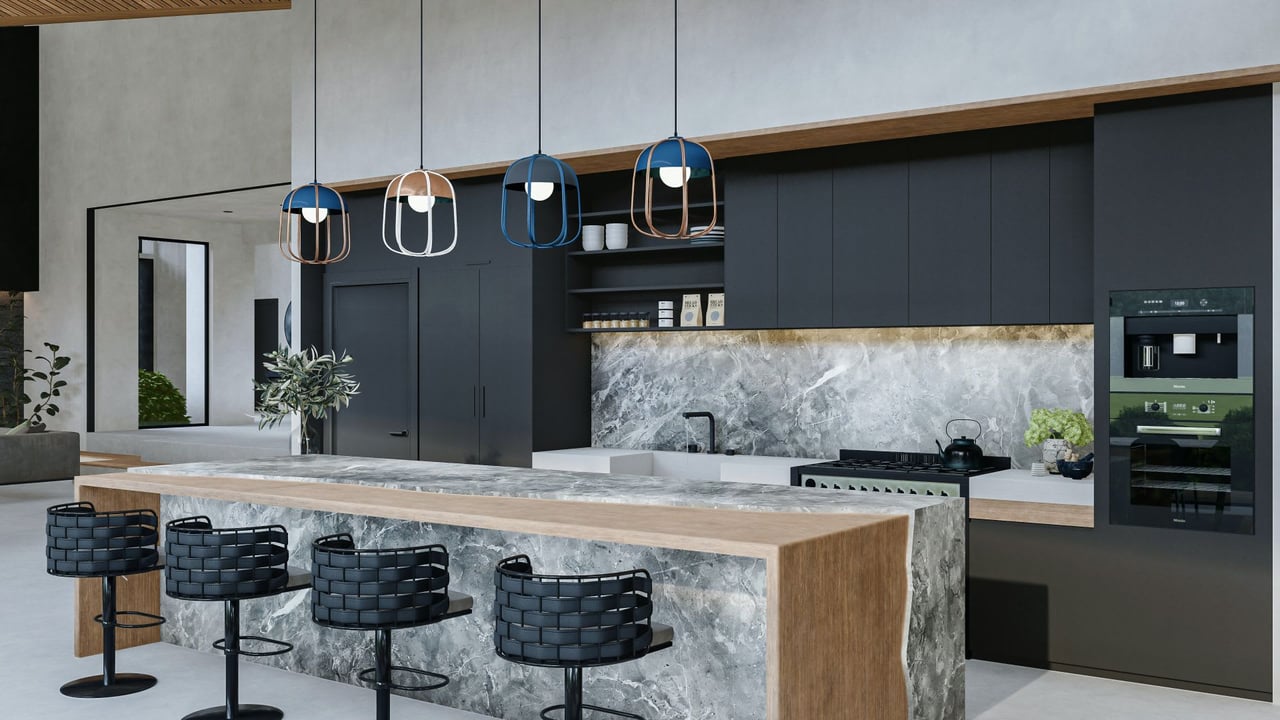
Newer homes also tend to reflect how people live today. Open kitchens, larger islands, dedicated workspaces, efficient heating and cooling systems, EV charging infrastructure, contemporary primary suites, and smart-home features have become increasingly common.
Energy efficiency can be another advantage. Newer construction standards may result in improved insulation, windows, appliances, and mechanical systems compared with older housing stock, although buyers should evaluate the specifications of the individual property rather than assume every new home performs the same way.
The appeal is ultimately about predictability. Buyers are often willing to pay more today in exchange for fewer anticipated projects tomorrow.
The New Construction Premium Is Worth Examining Carefully
That convenience usually comes with a premium.
Builders are selling more than square footage. They're selling newness, contemporary design, newer systems, warranties, and the convenience of a move-in-ready home. Depending on the project, buyers may also be paying for the opportunity to choose certain finishes or upgrades.
The important question is whether the premium makes sense for the specific property.
Imagine comparing two homes at similar price points. The newly built property may have a modern kitchen, newer systems, and little immediate maintenance. The resale home may sit on a significantly larger lot, have better privacy, offer mature landscaping, or occupy a more desirable position within the neighborhood.
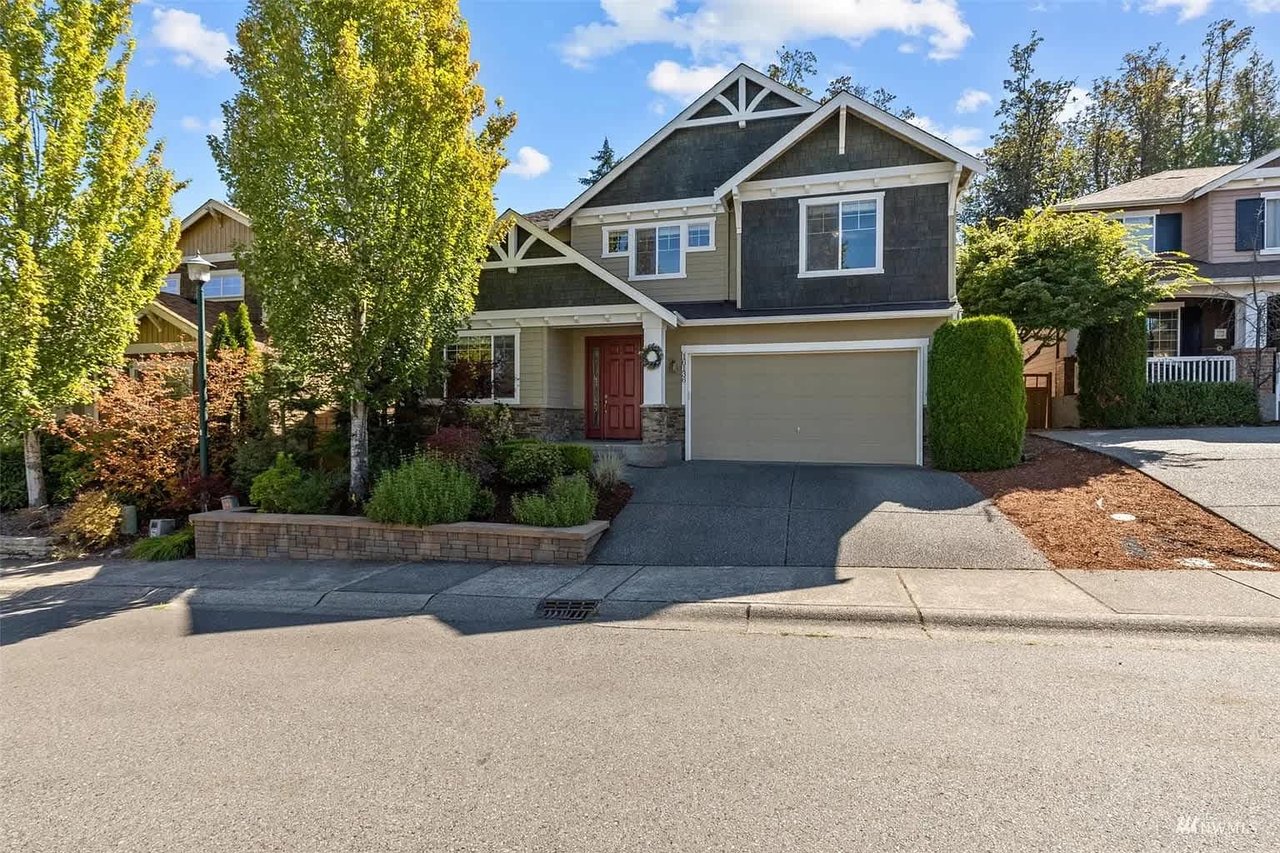
This tradeoff is especially noticeable in Seattle, Bellevue, and Kirkland, where land is scarce and expensive. Developers often need to use land efficiently, which can mean smaller yards, taller floor plans, shared driveways, or homes positioned closer together.
For a buyer prioritizing a low-maintenance lifestyle and proximity to employment, restaurants, transit, or urban amenities, those compromises may be completely reasonable.
For someone who values outdoor space, privacy, or a traditional two-story layout, they may not be.
This is why comparing price per square foot alone rarely tells the full story.
Resale Homes Often Offer Something New Construction Cannot: Established Location
One of the strongest arguments for buying a resale home is that many of the region's most desirable locations were developed decades ago.
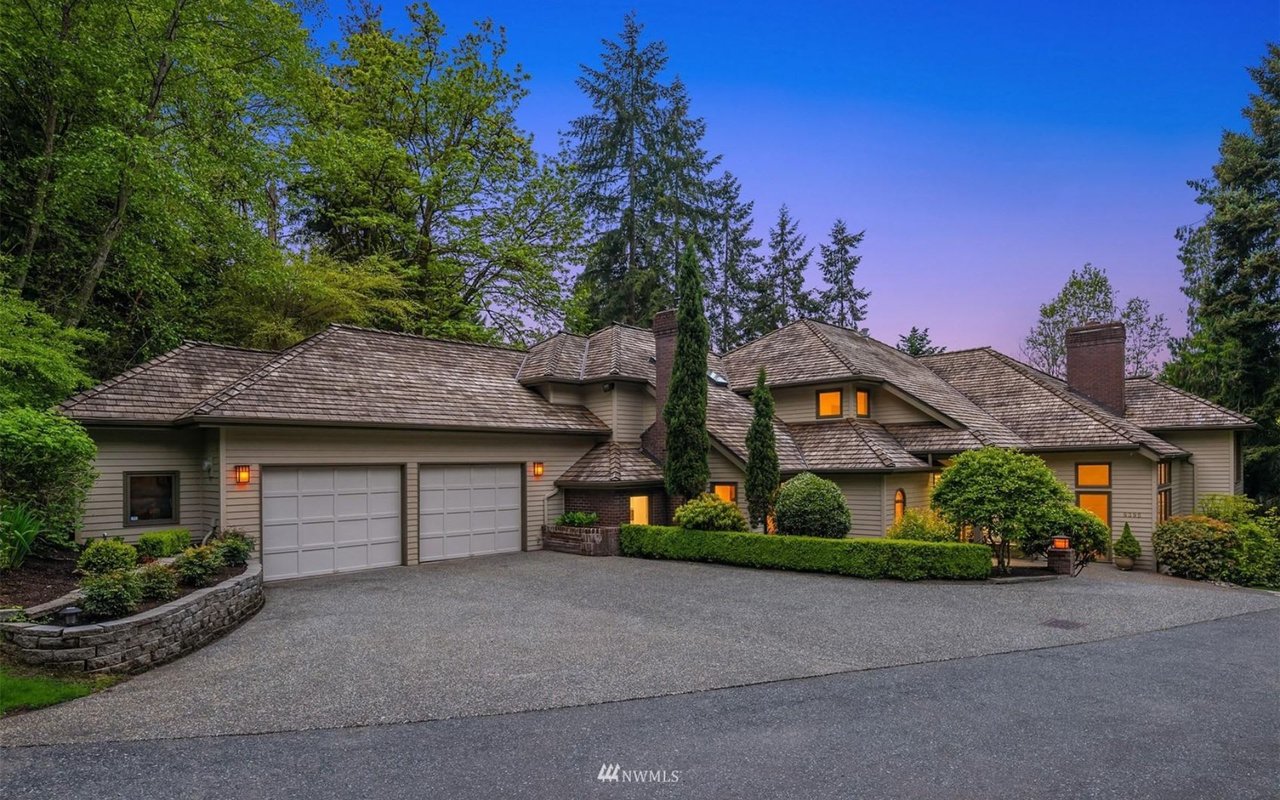
Established Seattle neighborhoods can offer mature tree canopies, architectural character, walkability, larger lots, and a sense of place that takes years to develop. Buyers may find Craftsman homes, mid-century properties, classic brick houses, or established condominiums that simply cannot be replicated by new construction.
Similar dynamics exist across the Eastside.
In Bellevue and Kirkland, an older home may occupy a larger parcel or a more established residential street than nearby new construction. In Redmond, Issaquah, and Bothell, buyers often find themselves comparing established subdivisions with newer communities offering different combinations of lot size, amenities, commute, and home design.
There is another advantage to buying into an established neighborhood: much of the uncertainty is gone.
You can see how the landscaping has matured, how homes have been maintained, how traffic moves through the neighborhood, and how the surrounding community has evolved.
With a brand-new development, some of that story has yet to be written.
Older Does Not Necessarily Mean Worse
A common mistake is treating "resale" as shorthand for "needs work."
Some resale properties have been meticulously maintained and thoughtfully renovated. A ten- or twenty-year-old home with an updated roof, mechanical systems, kitchen, and bathrooms may offer an excellent balance between modern living and established location.
Conversely, a home can look beautifully renovated while still having aging systems behind the walls.
That is why buyers should evaluate the effective age of a property rather than simply the year it was built.
A 1970s home with a newer roof, updated electrical system, modern plumbing, quality windows, and renovated interiors may present fewer near-term expenses than a much newer property that has been poorly maintained.
This is also where inspection and due diligence become important. Understanding the condition of a resale home allows buyers to estimate not just what they're paying at closing, but what ownership may realistically cost over the next five or ten years.
The Real Cost Comparison Goes Beyond the Purchase Price
Suppose a resale home costs $1 million and a comparable new construction property costs $1.1 million.
It is tempting to conclude that the resale home is automatically the better value because it costs $100,000 less.
But what if the resale home will likely need a roof, furnace, flooring, and exterior work within the next several years? Suddenly the gap becomes narrower.
The opposite can also be true.
A buyer may pay a substantial premium for new construction only to discover that the resale alternative sits on a significantly more valuable lot in a location where land is difficult to replicate. Over the long term, that land value could matter more than the original difference in finishes.
This is why sophisticated buyers look beyond the purchase price and consider total cost of ownership.
Maintenance, utilities, HOA dues where applicable, future capital improvements, insurance, and potential renovation costs should all be part of the equation.
The cheapest home today is not necessarily the least expensive home to own. And the most expensive home is not necessarily the best long-term asset.
New Construction Still Needs an Inspection
One misconception we regularly encounter is that new construction does not need the same level of due diligence because everything is brand new.
New does not mean flawless.
Building a home is a complex process involving numerous contractors, subcontractors, materials, inspections, and deadlines. Even well-built new construction can have items that need attention.
Buyers should understand what inspection opportunities are available under their purchase agreement, how builder walkthroughs are handled, what warranty coverage applies, and how incomplete or deficient items will be addressed.
Depending on the stage of construction and contractual terms, different inspections or evaluations may be appropriate.
The goal is not to approach the builder with suspicion. It is simply to apply the same principle that should guide any significant purchase: understand what you're buying before you own it.
For buyers who want a deeper look at this part of the process, our guide What Happens During a Home Inspection in Seattle? explains how inspections work and how to interpret findings without treating every item as a crisis.
Buying From a Builder Requires a Different Negotiation Strategy
Negotiating with a builder is not the same as negotiating with a homeowner.
A traditional seller may be motivated by a relocation, family change, another home purchase, or a specific closing timeline. Those circumstances can influence how willing the seller is to negotiate on price, repairs, concessions, or possession.
A builder operates under a different set of incentives.
Developers are managing project economics, remaining inventory, future comparable sales, lender relationships, and pricing across multiple homes. Reducing the recorded sale price of one property can potentially influence appraisals or negotiations on other homes within the development.
For that reason, a builder may be reluctant to make a large reduction in the headline price while being more flexible elsewhere.
Depending on the project and market conditions, buyers may find opportunities around financing incentives, closing costs, rate buydowns, upgrades, appliances, or other concessions.
This is why focusing exclusively on the asking price can cause buyers to miss the broader negotiation opportunity.
The better question is: What is the total economic value of the deal?
The Builder's Sales Representative Does Not Represent the Buyer
New construction can feel deceptively simple.
You walk into a polished model home, meet a knowledgeable onsite representative, review available floor plans, and begin discussing finishes and incentives. The process can feel considerably more streamlined than purchasing a resale property.
But buyers should understand the representation structure.
The onsite sales representative works for the builder. Their responsibility is to represent the builder's interests and facilitate sales within the development.
That does not make the relationship adversarial. It simply means the buyer and builder have different objectives.
Having your own representation can provide an independent perspective on comparable sales, builder incentives, contract terms, inspection opportunities, neighborhood competition, lot selection, and long-term resale potential.
Ideally, those conversations happen before a buyer becomes emotionally attached to the model home.
The Most Expensive Upgrade May Not Be the Most Valuable One
Model homes are designed to create an emotional response. That's their job.
Upgraded countertops, premium flooring, designer lighting, built-in cabinetry, elaborate tilework, and carefully selected furnishings can make it easy to focus on finishes.
But many of those things can be changed later.
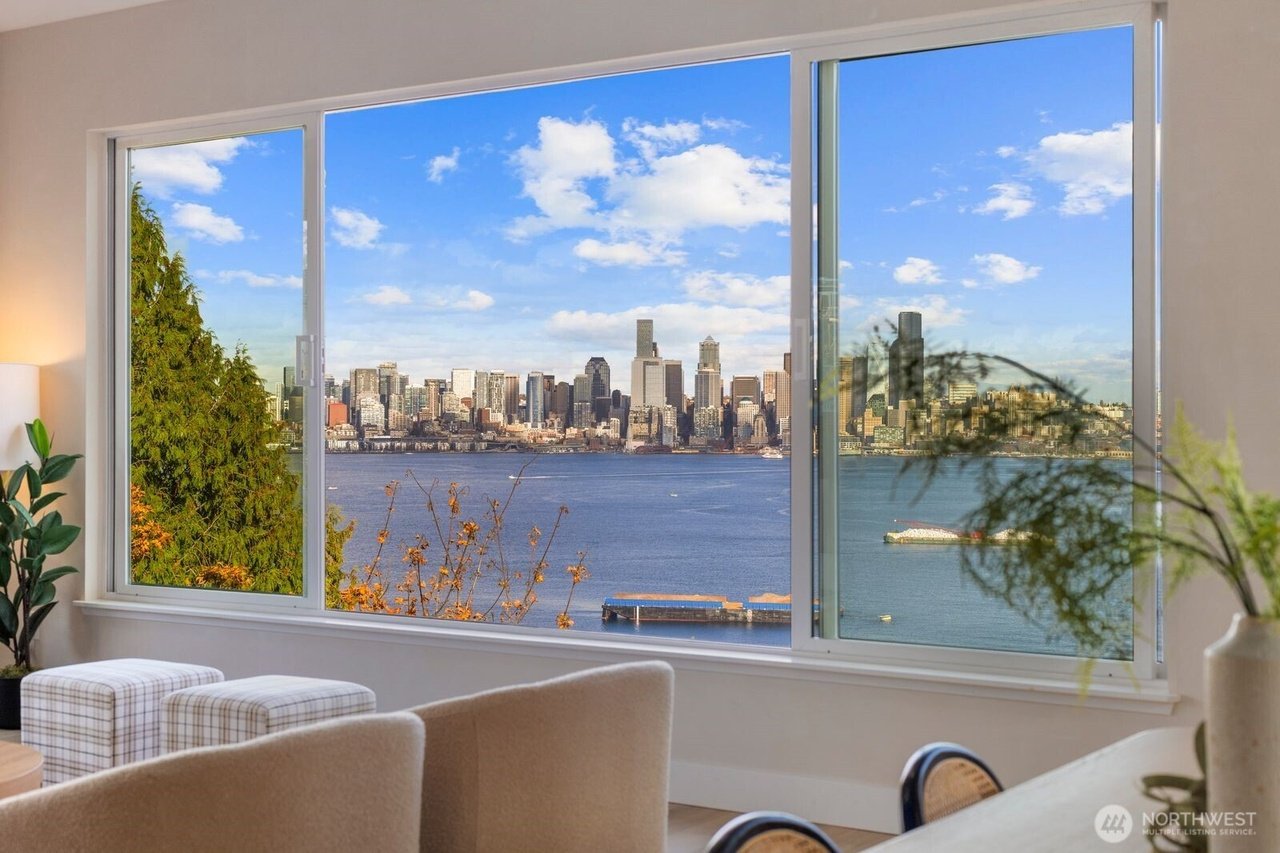
The attributes that often matter most for long-term value are the ones you cannot easily change: location within the community, natural light, lot orientation, privacy, parking, views, proximity to traffic, and the functional quality of the floor plan.
If two identical homes are available in the same development, the one with a superior lot or better natural light may ultimately be more valuable than the one with more expensive cabinet upgrades.
The same principle applies to resale homes.
Paint can change. Flooring can change. Kitchens can change.
Location cannot.
Think About Resale Value Before Buying New Construction
Even if you're planning to own the home for many years, it is worth considering how a future buyer may evaluate it.
One particular consideration with new developments is future competition from the builder.
If you need to sell while the builder still has new inventory available, your resale home may be competing directly against brand-new properties. Buyers may ask why they should purchase a two-year-old home when they can buy a new one nearby with builder incentives.
That doesn't mean you should avoid the development. It simply makes property selection more important.
A home with a premium lot, desirable orientation, stronger view, better parking, or upgrades that buyers genuinely value may differentiate itself more effectively when it eventually returns to the market.
Buyers should also consider how much future development is planned around the community. What looks like an open view today may not remain one forever.
Long-term thinking matters at the moment of purchase, not just when it is time to sell.
Which Option Makes More Sense in 2026?
There is no universal winner in the new construction vs. resale debate.
New construction can make excellent sense for buyers who prioritize modern layouts, energy efficiency, newer systems, predictable maintenance, and a turnkey lifestyle. It may also provide attractive opportunities when builders have inventory and are willing to offer meaningful incentives.
Resale homes can be particularly compelling for buyers who prioritize established locations, larger lots, mature landscaping, architectural character, or the opportunity to create value through thoughtful improvements.
In 2026, having more choices across parts of the Greater Seattle market gives buyers an opportunity to compare these tradeoffs more carefully. But the best homes in desirable neighborhoods can still attract significant interest, which means preparation remains important.
Rather than beginning with "I only want new construction" or "I would never buy new," buyers are often better served by starting with their actual priorities.
Where do you want to live? How long do you expect to stay? How much maintenance are you comfortable taking on? How important are outdoor space and privacy? How much liquidity do you want to preserve after closing?
Once those questions are answered, the new-versus-resale decision often becomes much clearer.
How The Mezon Group Helps Buyers Compare New Construction and Resale
At The Mezon Group, we believe real estate decisions should be grounded in strategy, education, and clarity. When clients are comparing new construction with resale homes, our role is not to push them toward one category. It is to help them understand the tradeoffs clearly enough to determine which property best supports their goals.
Our team works with buyers throughout Seattle and Eastside communities including Bellevue, Redmond, Kirkland, Issaquah, and Bothell. We evaluate more than finishes and asking prices, looking at comparable sales, property condition, builder reputation, lot characteristics, negotiation opportunities, expected maintenance, neighborhood dynamics, and long-term resale considerations.
That client-centered approach has contributed to meaningful milestones for our team. In our first year as The Mezon Group, we were honored to be ranked #28 in Washington by sales volume among RealTrends Verified medium teams, recognition that reflects the trust our clients place in us and the work our team does behind the scenes. [Read more about The Mezon Group's RealTrends Verified recognition →] https://www.realtrends.com/ranking/best-real-estate-agents-united-states/
By the halfway point of 2026, our team had also guided 51 closed and pending transactions representing more than $48 million in sales volume across Seattle, Bellevue, Kirkland, Bothell, Redmond, Lynnwood, Renton, West Seattle, and communities throughout Greater Seattle.
We're grateful for those milestones, but each transaction ultimately comes down to an individual client making an important decision about a specific home. Whether that home happens to be brand new or has been standing for 50 years, our goal remains the same: help our clients understand what they're buying and why it makes sense for them.
Real Estate Is Personal. The Right Home Should Be Too.
There is something compelling about a home where everything is new. There is also something difficult to replicate about an established property with mature surroundings, character, and a location that has proven itself over time.
Neither is automatically the better investment or the better home.
If you're comparing new construction and resale properties in Seattle, Bellevue, Redmond, Kirkland, Issaquah, Bothell, or elsewhere in Greater Seattle, we're always happy to help you look beyond the surface and think through the financial, practical, and lifestyle tradeoffs.
Related Resources
What Happens During a Home Inspection in Seattle?
Understand what inspectors evaluate and why due diligence still matters whether you're considering an older property or a newly built home.
How to Negotiate Repairs Without Killing the Deal
Learn how inspection findings, market leverage, and negotiation strategy come together when purchasing a resale property.
How Long Does It Take to Buy a Home in Seattle?
Explore the full Seattle home-buying timeline, from financing and property search through due diligence and closing.
The Bottom Line
When comparing new construction vs. resale homes in Seattle, the most important difference isn't simply whether someone has lived in the property before.
New construction offers modern design, newer systems, potentially lower near-term maintenance, and the appeal of a turnkey home. Resale properties can offer established neighborhoods, larger lots, architectural character, proven locations, and opportunities to build value through future improvements.
Both can be excellent purchases. Both also involve compromises that may not be obvious during the first showing.
The strongest buyers look beyond the finishes and ask more durable questions. What am I paying a premium for? What expenses am I likely to face over the next five or ten years? How difficult would it be to replicate this location or lot? What will another buyer value when I eventually sell? And, most importantly, does this property support the way I actually want to live?
Once you answer those questions, the decision becomes much less about whether new construction or resale is universally better.
It becomes about which home is better for you.