Selling a home often begins with the same question: Should I renovate before listing?
For many homeowners across Seattle, Bellevue, Kirkland, Redmond, Issaquah, and Bothell, the instinct is to start remodeling immediately. A dated kitchen suddenly feels like a liability. Bathrooms seem overdue for an update. Landscaping becomes a weekend project. Before long, what started as "touching things up" evolves into a renovation budget that rivals the down payment on another home.
The reality is more nuanced.
Not every improvement delivers a meaningful return, and in today's 2026 housing market, buyers are evaluating homes differently than they did just a few years ago. Higher borrowing costs have made buyers more selective, but they also appreciate homes that feel move-in ready. The goal isn't to create the most expensive home in the neighborhood—it's to create the home that feels like the smartest purchase.
Understanding where buyers place value is often the difference between spending wisely and overspending.
Renovations Should Match Buyer Expectations—Not Personal Taste
One of the biggest mistakes sellers make is renovating for themselves instead of renovating for the market.
A custom wine cellar, imported marble throughout the home, or highly personalized finishes may reflect years of enjoyment, but they don't necessarily translate into higher offers. Buyers are ultimately purchasing both a property and a lifestyle, and they generally pay premiums for features that reduce future work rather than features that reflect someone else's preferences.
Across Greater Seattle's diverse neighborhoods, buyer expectations vary considerably.
A modern townhouse in Ballard attracts different priorities than a waterfront home in Kirkland. A newer construction property in Bothell competes differently than a classic Craftsman in Seattle's historic neighborhoods such as Queen Anne or Madrona. Buyers shopping in Bellevue may expect higher-end finishes, while buyers in North Seattle districts i.e. Lynnwood may prioritize functional layouts and home offices.
The most successful renovations are those that align with what buyers already expect within a home's price point—not what homeowners personally dream of building.
Kitchens Continue to Influence Buying Decisions
If one room consistently shapes buyer perception, it's the kitchen.
The kitchen has evolved into far more than a place to prepare meals. It functions as the social center of the home, making it one of the first spaces buyers emotionally evaluate during a showing.
Fortunately, adding value doesn't always require a complete remodel.
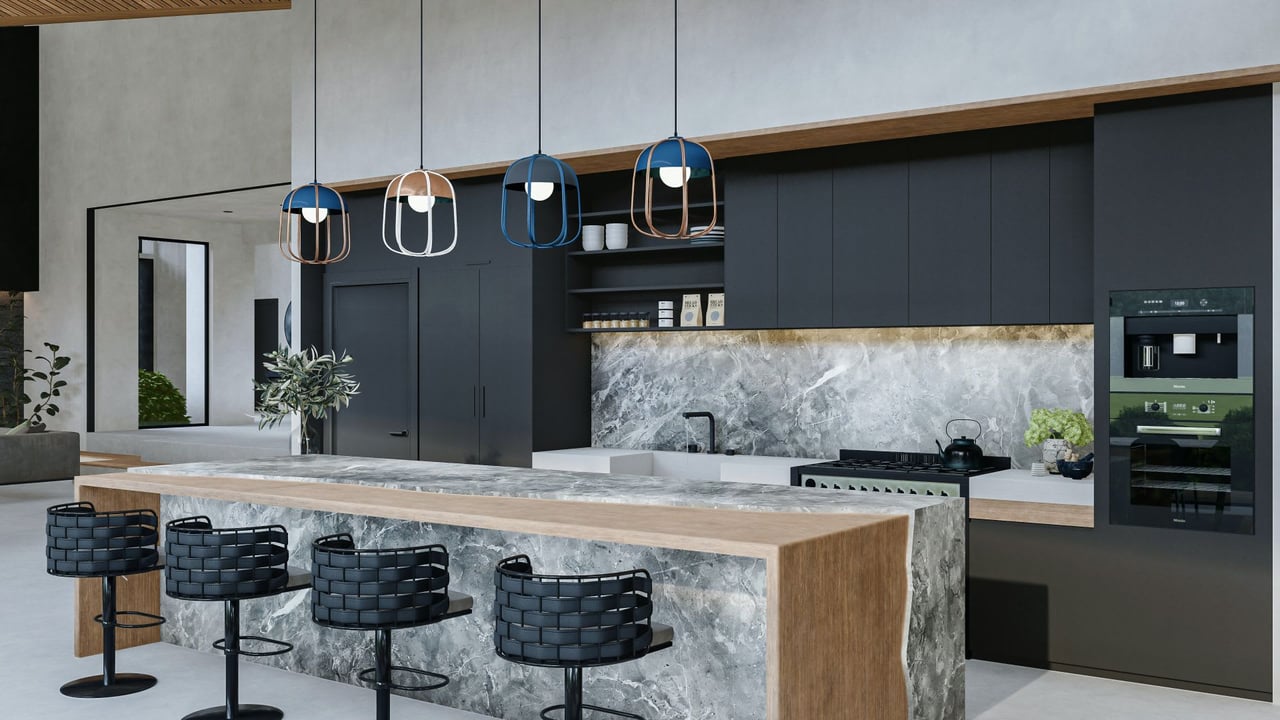
Many Seattle-area sellers see meaningful improvements through thoughtful updates such as replacing outdated cabinet hardware, installing modern lighting, upgrading countertops where appropriate, refinishing cabinetry, or introducing newer appliances that complement the home's overall style.
Rather than creating a luxury showroom, the objective is achieving a kitchen that feels clean, current, and cohesive.
Buyers often perceive an updated kitchen as evidence that the entire home has been well maintained. That perception can influence their confidence well beyond the kitchen itself.
Bathrooms Benefit From Simplicity More Than Luxury
Bathrooms follow a similar pattern.
While spa-inspired primary suites certainly attract attention, buyers typically respond more positively to bathrooms that simply feel fresh, bright, and move-in ready.
Replacing worn fixtures, updating mirrors and lighting, re-caulking showers, refreshing vanities, and installing contemporary finishes often create stronger returns than expensive structural remodels.
Many homeowners underestimate how much visual cleanliness influences buyer psychology.
Fresh grout, crisp paint, updated faucets, and new hardware communicate care and maintenance. Buyers spend surprisingly little time calculating renovation costs emotionally—they simply decide whether a space feels finished or feels like another project waiting for them after closing.
Reducing perceived future work often matters more than creating luxury.
First Impressions Still Matter More Than Most Sellers Realize
Before buyers evaluate a home's floor plan, they evaluate whether they're excited to walk inside.
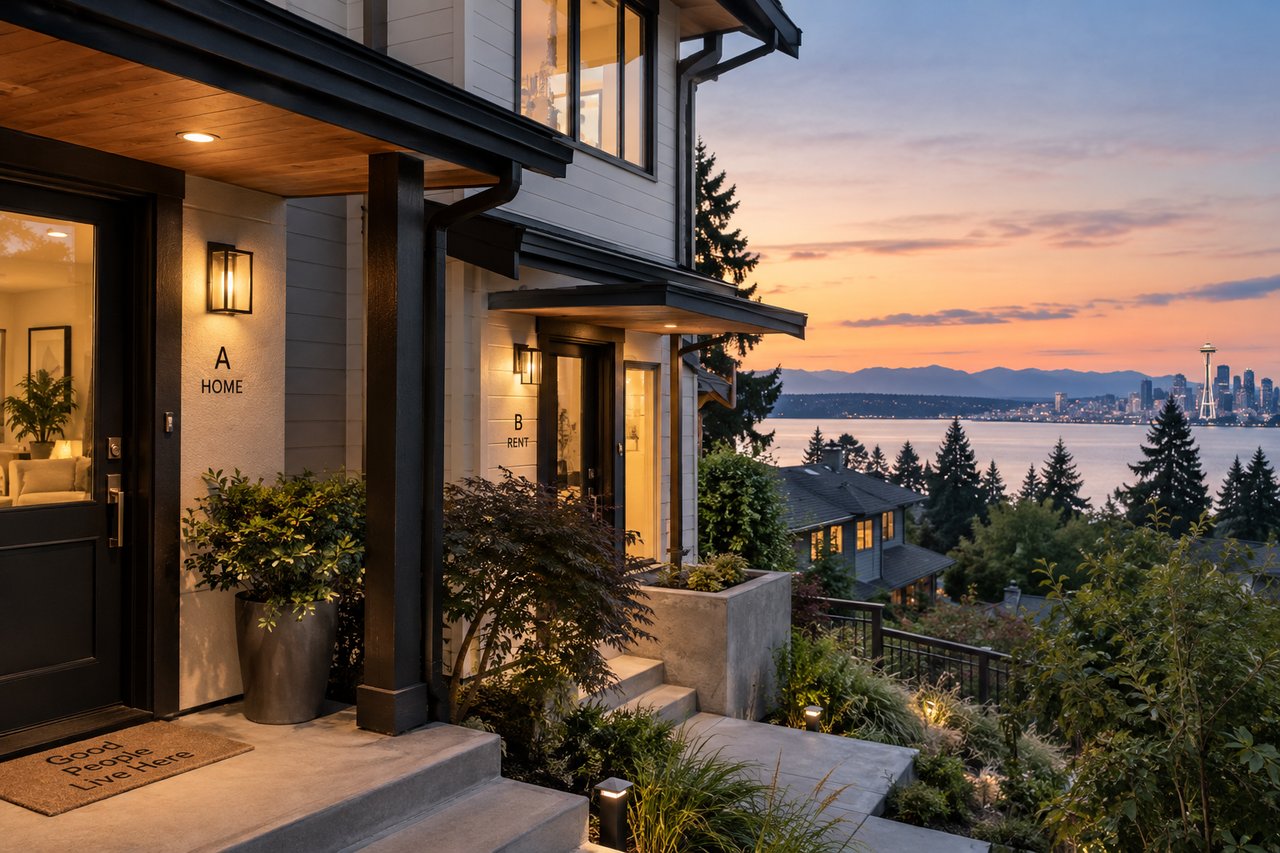
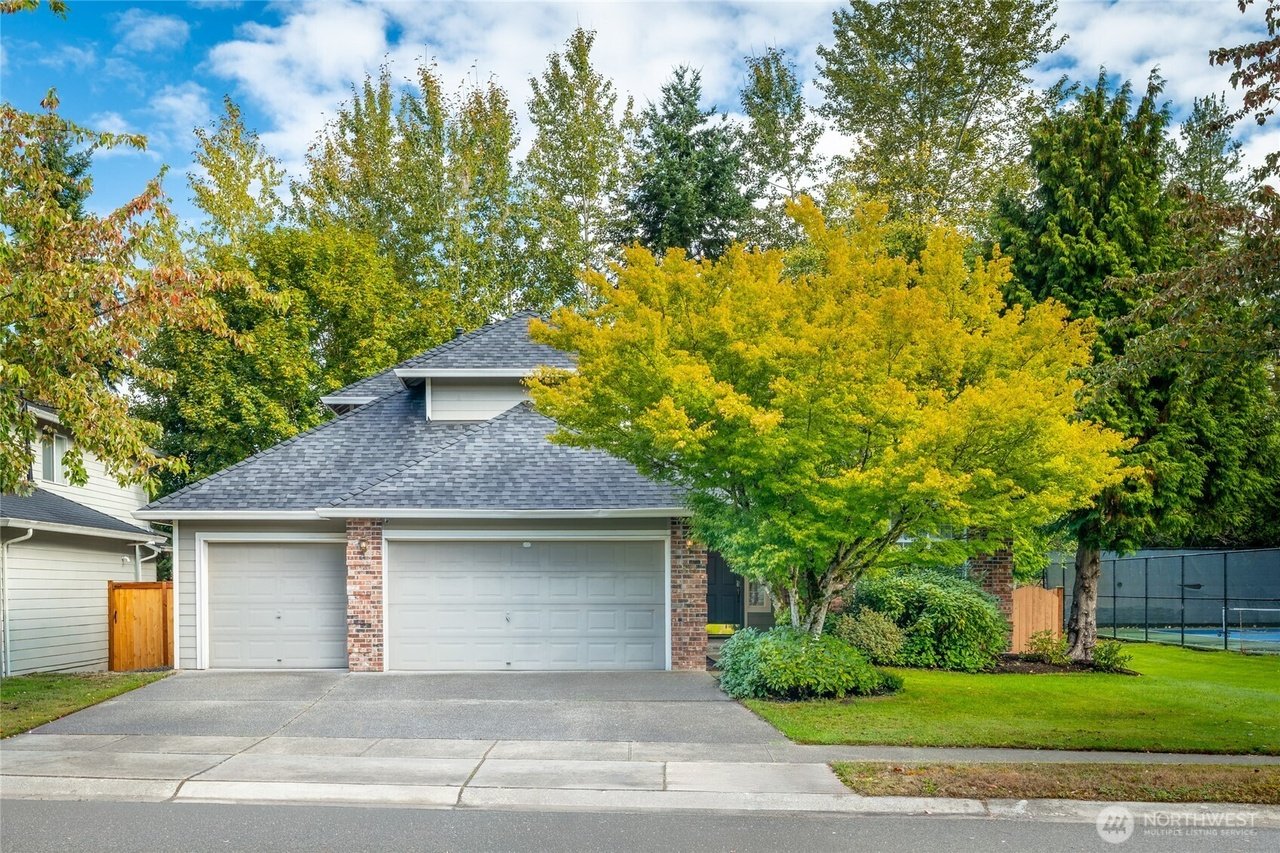
Curb appeal remains one of the highest-return investments because it influences the emotional tone of every showing that follows.
Simple improvements frequently outperform expensive exterior renovations.
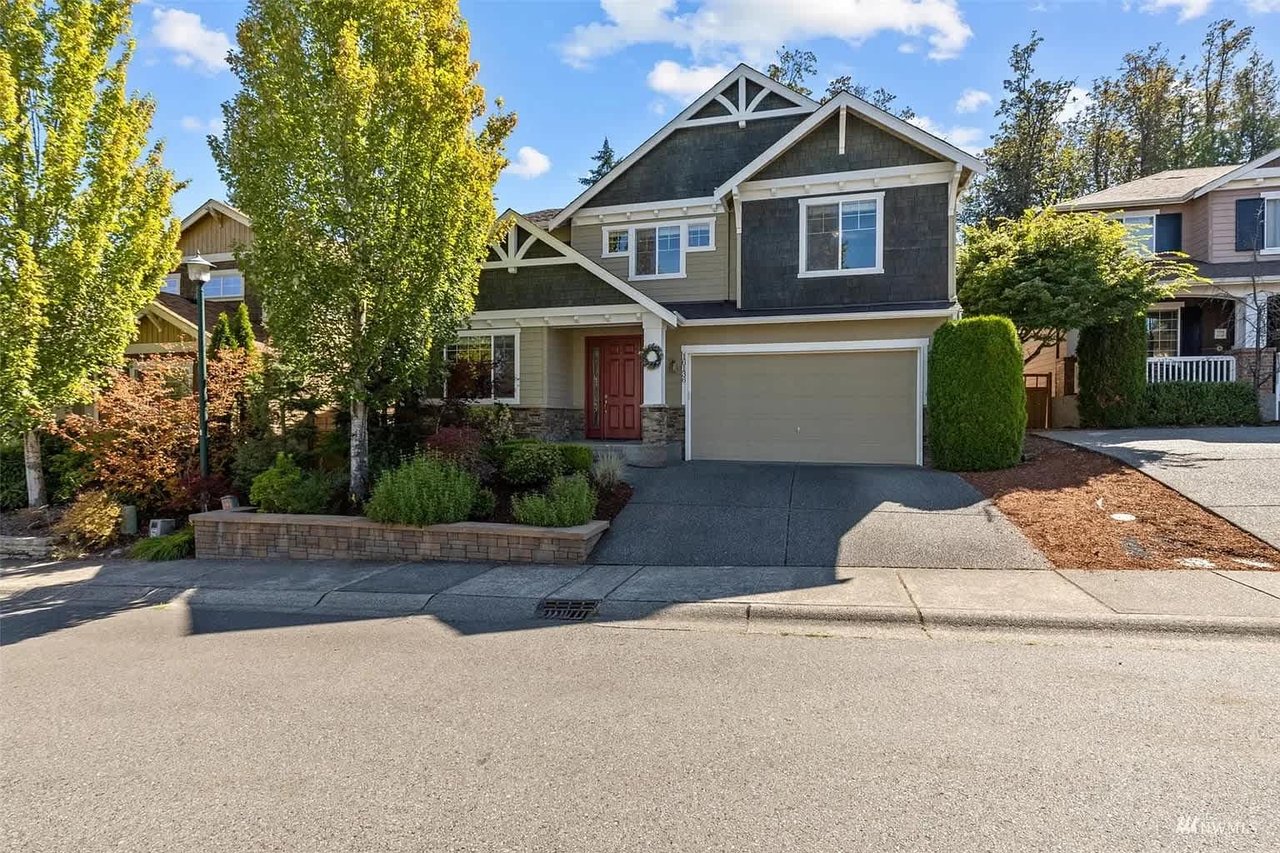
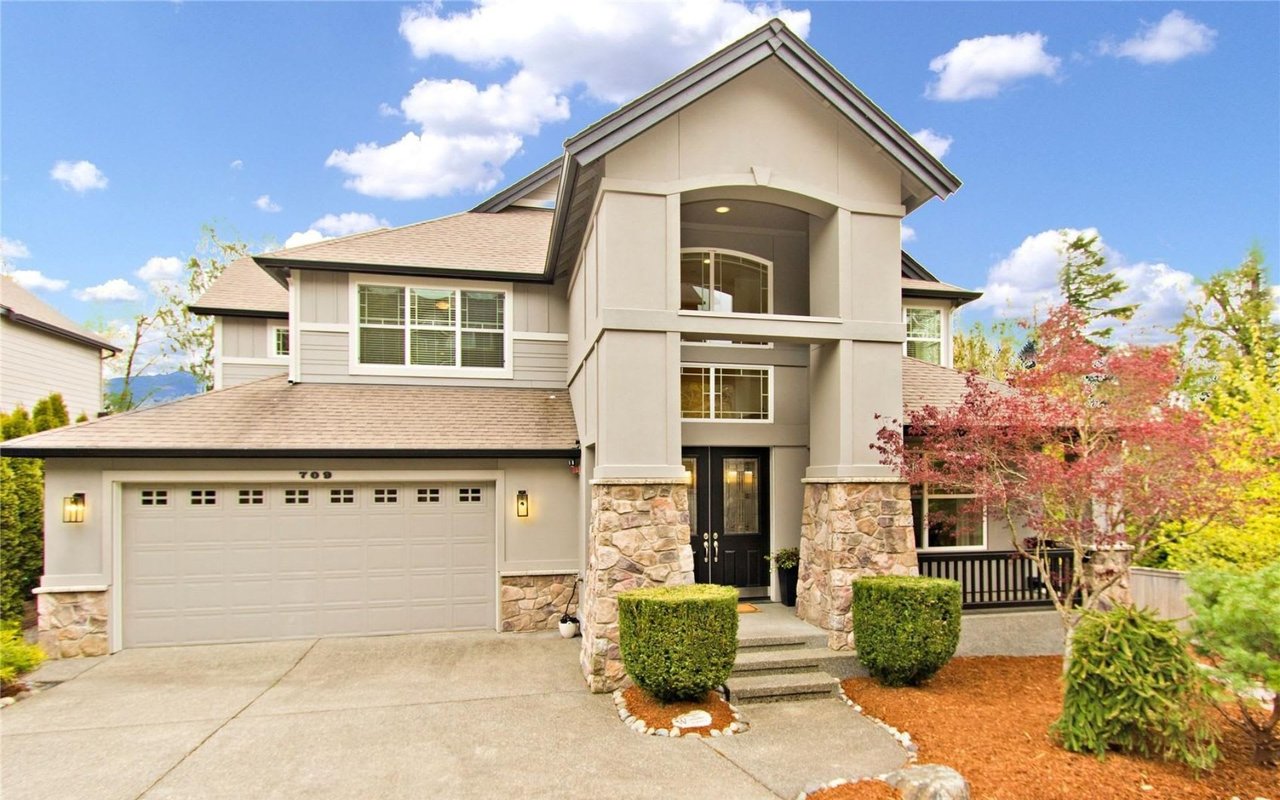
Fresh landscaping, pressure washing, updated exterior lighting, new mulch, trimmed shrubs, clean walkways, and a freshly painted front door immediately communicate pride of ownership.
These improvements don't necessarily raise appraised value directly, but they often increase perceived value—which influences buyer enthusiasm, showing activity, and ultimately offer strength.
In competitive neighborhoods throughout Seattle and the Eastside, that emotional first impression frequently determines whether buyers begin mentally competing for the property before they even enter the front door.
Paint Delivers One of the Best Returns on Investment
Few projects produce as much impact for relatively little cost as interior paint.
Fresh paint instantly makes spaces appear brighter, cleaner, and better maintained. Neutral color palettes also help buyers envision themselves living in the home instead of focusing on the current owner's personal style.
Homes that photograph well typically perform better online, and paint contributes significantly to that first digital impression.
Professional photography captures light differently when walls are clean, consistent, and neutral, making listings appear more polished before buyers ever schedule a showing.
For many sellers, fresh paint becomes one of the simplest ways to elevate perceived value without undertaking a major renovation.
Flooring Can Quietly Influence Every Room
Flooring often goes unnoticed—until it doesn't.
Worn carpet, scratched hardwoods, stained flooring, or mismatched materials create subtle distractions that accumulate throughout a showing.
Buyers may not consciously identify flooring as the problem, but inconsistent finishes can make an otherwise attractive home feel older than it really is.
Depending on the home's condition, professional carpet replacement, hardwood refinishing, or carefully selected luxury vinyl plank flooring can dramatically improve presentation.
Consistency matters.
A cohesive flooring plan helps homes feel larger, more modern, and easier to maintain—all qualities today's buyers appreciate.
Energy Efficiency Has Become More Valuable
Seattle-area buyers increasingly consider long-term operating costs alongside purchase price.
While dramatic energy upgrades don't always generate dollar-for-dollar returns, improvements that reduce maintenance and improve efficiency frequently strengthen buyer confidence.
Examples include updated insulation, newer windows where necessary, high-efficiency HVAC systems, smart thermostats, newer water heaters, or modern roofing systems.
These improvements often don't create dramatic marketing headlines, but they reduce buyer uncertainty.
When buyers believe major systems have already been addressed, they're more comfortable submitting stronger offers because they anticipate fewer surprise expenses after moving in.
Renovations That Often Don't Pay Off
Some improvements certainly enhance daily living—but may not maximize resale value.
Highly customized luxury features, extensive structural modifications, premium imported materials, elaborate entertainment spaces, or renovations that significantly exceed neighborhood standards frequently produce disappointing returns.
The challenge isn't that these improvements lack quality.
It's that buyers rarely reimburse homeowners for every dollar invested.
Instead, buyers compare available inventory within the same price range. If competing homes offer similar functionality without the premium renovation costs, sellers may struggle to recover their investment.
The smartest pre-sale renovation strategy usually focuses on broad market appeal rather than uniqueness.
Today's Buyers Are Purchasing Confidence
The psychology behind home buying has shifted in meaningful ways.
With mortgage rates remaining elevated compared to the ultra-low-rate environment of previous years, buyers are approaching purchases with greater financial discipline. They aren't simply asking whether they love a home—they're asking whether the home represents a smart long-term investment.
That mindset has increased the value of homes that feel well maintained.
Updated paint, refreshed kitchens, clean inspection histories, modern systems, and thoughtful maintenance reduce uncertainty. Buyers become more willing to compete because they anticipate fewer unexpected expenses after closing.
In many cases, sellers aren't actually selling renovations.
They're selling confidence.
Confidence often translates directly into stronger offers.
Every Neighborhood Has Its Own Standard
One of the most overlooked aspects of renovation planning is neighborhood positioning.
The improvements that maximize value in Bellevue may differ from those that make sense in Seattle. Expectations in Kirkland can vary from Redmond, while buyers in Issaquah or Bothell may prioritize entirely different features depending on inventory, price point, and lifestyle preferences.
This is why comparable sales matter so much before beginning any renovation.
Rather than asking, "What improvements can I make?"
The better question becomes:
"What improvements will buyers already expect at my home's value?"
Answering that question prevents over-improving while ensuring the property remains competitive within its market segment.
Renovate Strategically, Not Emotionally
Many sellers begin renovations because they're emotionally preparing to say goodbye to their home.
Ironically, the strongest returns usually come from stepping back and viewing the property objectively.
Ask whether each dollar invested will genuinely improve buyer perception—or simply satisfy personal preferences.
Often, modest improvements executed exceptionally well outperform expensive remodels completed shortly before listing.
A clean, bright, professionally prepared home tends to outperform a partially renovated home with inconsistent updates.
Preparation should always support the sales strategy—not replace it.
How The Mezon Group Helps
Preparing a home for sale involves far more than deciding whether to remodel a kitchen or repaint a bedroom. Every property has a different opportunity depending on its location, price range, condition, and likely buyer profile.
At The Mezon Group, we help homeowners identify which improvements are most likely to influence buyer behavior—and which expenses can often be avoided. Rather than recommending renovations simply because they're popular, we evaluate comparable sales, current market competition, buyer expectations, and projected return on investment to develop a strategy tailored to each property.
That advisory approach has helped position homes successfully throughout Seattle, Bellevue, Kirkland, Redmond, Issaquah, Bothell, and surrounding communities.
In our first year as a team, The Mezon Group was recognized as a RealTrends Verified top-performing team in Washington. That recognition reflects more than sales volume—it reflects a consistent focus on thoughtful pricing, strategic preparation, elevated marketing, and client advocacy from consultation through closing.
For many sellers, the best investment isn't necessarily spending more on renovations. It's making the right improvements before introducing the home to the market.
Related Resources
The Bottom Line
The best renovations before selling aren't always the biggest or the most expensive.
They are the improvements that help buyers see themselves living in the home with fewer obstacles, fewer future projects, and greater confidence in the property's condition. A refreshed kitchen, updated bathrooms, fresh paint, strong curb appeal, and well-maintained systems consistently create stronger first impressions because they reduce uncertainty and reinforce value.
Every home—and every neighborhood—is different. What makes sense for a home in Bellevue may not be the same strategy for a property in Seattle, Kirkland, Redmond, Issaquah, or Bothell. The most effective approach begins with understanding buyer expectations, current market conditions, and how your home compares to competing listings.
Before investing in renovations, it is worth taking the time to evaluate which improvements are likely to influence buyer behavior and which may simply add unnecessary cost. A thoughtful strategy can often deliver a stronger return than a larger renovation budget, helping you maximize both your home's presentation and your final sale price.